Need concrete floor coating in Orlando?
Have a garage or concrete floor question? Send a request and a local provider in our network can follow up. No obligation.
No obligation
Request an estimate from local providers
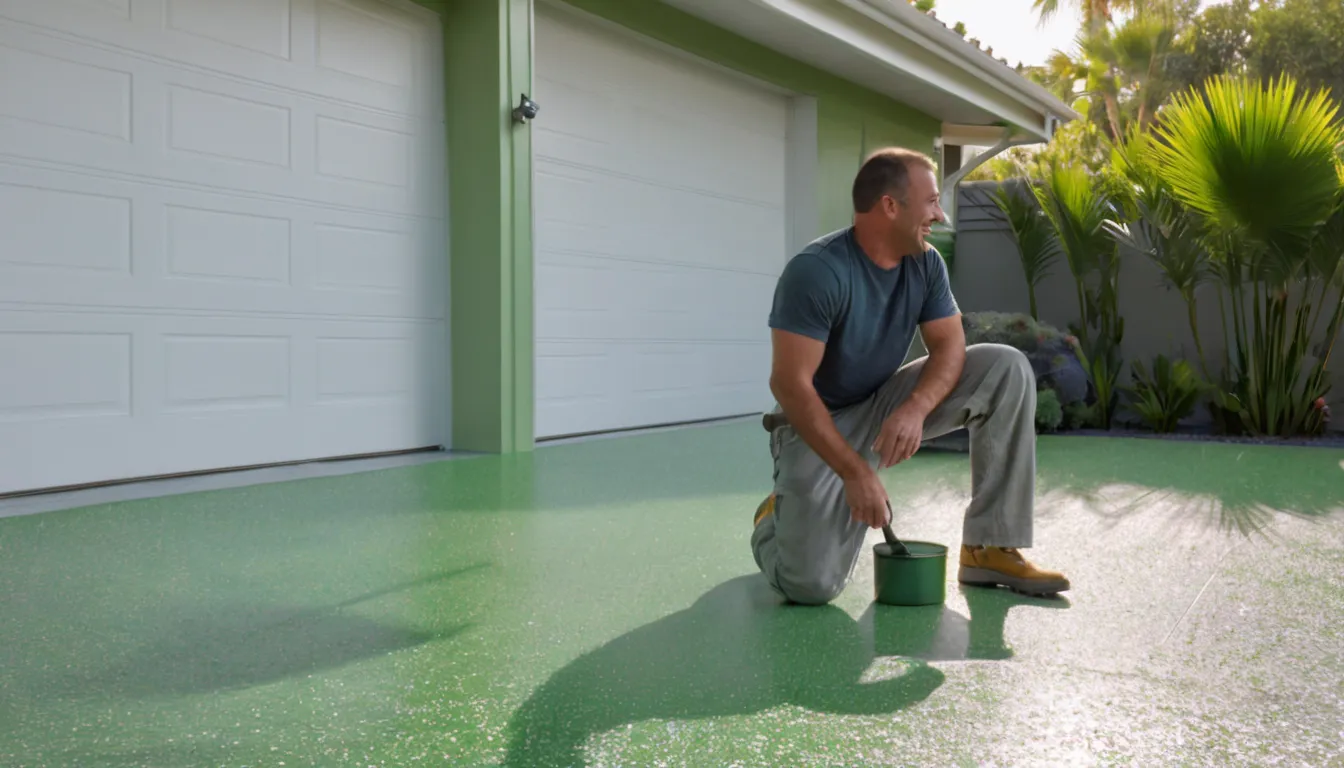
Concrete floor coating is a liquid layer that hardens on top of your slab. It seals the surface, hides small flaws and makes cleanup easier. Homeowners use it in garages, on porches, in workshops and in utility rooms.
Inchesdestroy Floor Coating is a referral service. We do not do the floor work. We help homeowners in Orlando and the Orlando area reach independent local providers who do. Humid summers and heavy storm season shape how a slab should be prepped and coated. This page explains the basics in plain words, so you know what to ask.
Cracks, dust, stains and flaking paint can worry a first-time homeowner. Take a breath. Most slab problems build up slowly. A few are worth checking soon, and this page walks you through them. Providers in our network do the work. Inchesdestroy Floor Coating helps you reach them.
If water pools on the floor or seems to seep up through it, deal with that before anything else. A coating needs a dry slab. In humid weather and storm season, moisture is the first thing a provider will want to test.
Snap pictures of cracks, stains and flaking spots. Jot down when you first saw them. Providers can use these to give a rough idea before a visit. If a storm caused sudden damage, some policies may cover it, so check your policy. Providers can often help document damage for a claim.
Avoid strong acids and heavy chemicals. They can leave residue that keeps a coating from sticking. Clear the area, sweep it, and wait for a provider's advice.
It is a liquid layer rolled onto your slab. It cures into a hard, sealed surface. Common types include epoxy, polyaspartic and water-based formulas. Concrete coating can hide small flaws, resist stains and make sweeping simple. Custom floor finishes, like color flakes or a soft gray tone, let you pick the look. Start with the slab, though. A coating is only as sound as the surface under it.
If you see several of these, a coating may help. A provider can confirm after looking at the floor.
Wide cracks, or cracks where one side sits higher than the other, can mean the slab is moving. A coating will not hold that still. Ask the provider whether a repair comes first. Cracks that keep growing deserve a closer look from a pro.
Outdoor slabs face sun, rain and humidity almost every day. Ask about a UV-stable topcoat so the color does not turn chalky. Ask about a slip-resistant texture too, since wet concrete can be slick. Covered porches and open patios may need different products.
Tools drop. Oil drips. Rolling carts scrape. A workshop floor needs a tougher build than a porch. Providers may suggest a thicker coat or a stronger topcoat. Light colors help you spot a dropped screw, and a little texture adds grip.
Basements are rare in our part of the country. Some homes still have low rooms, storage areas or sunken spaces. Moisture is the big question there. A provider may test the slab before choosing a product. Coating over a damp floor can lead to peeling later.
Laundry rooms, utility rooms and enclosed porches see spills and steamy air. A coated floor wipes clean fast and does not soak up drips. Ask about a light texture for wet footing.
Here is the usual path, in plain words.
The provider cleans the slab and often grinds it. Grinding gives the coating something to grip. Cracks and chips get filled.
A primer goes down first. Then the main coat is rolled on, with color flakes if you chose them.
A clear topcoat adds wear protection. Then the floor cures. Humid or rainy days can slow this, so a careful provider watches the weather.
A sealer soaks in or sits thin on top. It helps with dust and light stains, and it usually costs less. A coating builds a thicker film. It hides more flaws and takes more abuse. If your slab is mostly sound and you only want less dust, a sealer may be enough. For stained, worn or cracked floors, ask about a coating.
After curing, care is easy. Sweep, then mop with a mild cleaner. Wipe up spills. Use mats under tires and pads under furniture feet. Wet shoes can be slick, so keep a mat near doors in storm season. Ask the provider when you can walk, park or move items back.
Ask before you commit. Clear answers are a good sign.
You do not need to know every term. Gather your photos, pick a few questions and talk with a provider. Floors built for humidity start with a clear plan.
Cleaning, grinding and filling cracks so the new coating bonds firmly to your slab.
A primer plus a rolled-on color coat, chosen to suit your space and how you use it.
Solid colors, decorative flakes or metallic looks, matched to your taste and your room.
A final clear layer that adds wear resistance, easier cleaning and, if you ask, a slip-resistant texture.
Prices vary by slab size, condition and product. These are typical U.S. ranges, not quotes. Cracks, old paint and moisture problems can raise the total. Always get a written quote from the provider before work begins.
| Item | Typical range | Notes |
|---|---|---|
| Concrete sealer | $1 – $4 per sq ft | Thin protection for light dust and stains |
| Epoxy coating | $3 – $9 per sq ft | Thicker film; price rises with flakes and extra coats |
| Polyaspartic topcoat | $5 – $12 per sq ft | Tough, UV-stable finish; often costs more than epoxy |
| Crack and surface repair | $200 – $1,500 | Depends on how many cracks and how wide they are |
| Patio or porch (150–300 sq ft) | $800 – $3,000 | Slip-resistant texture and UV topcoat may add cost |
| Two-car garage-size slab | $1,500 – $5,000 | Varies with prep work, product and finish style |
Tell us where the slab is, what bothers you and share a few photos if you have them.
A local provider reviews your details, asks about moisture and may visit the space.
Check the prep, product, finish and timeline before you agree to anything.
Pick a date that suits the weather, then follow the cure instructions you are given.
Inchesdestroy Floor Coating is a referral service. Independent local providers handle prep, coating and cleanup.
Providers in our network know how damp air and storm season affect slabs.
We explain each term the first time it appears, so you can ask good questions.
Request an estimate, compare written quotes and decide at your own pace.
Have a garage or concrete floor question? Send a request and a local provider in our network can follow up. No obligation.
It depends on the product, the prep and how the floor is used. Many coatings last several years with normal care. Moisture, heavy traffic and poor prep can shorten that, so ask the provider what to expect.
Often yes, after repair. Providers usually fill hairline cracks and grind the surface first. Wide or shifting cracks may need more work, so ask for an opinion before choosing a product.
No. A sealer is a thin protective layer, while a coating builds a thicker film that hides more flaws and handles more wear. A provider can help you choose based on your slab's condition.
Have a garage or concrete floor question? Send a request and a local provider in our network can follow up. No obligation.
No obligation