Need polyaspartic floor coating in Orlando?
Have a garage or concrete floor question? Send a request and a local provider in our network can follow up. No obligation.
No obligation
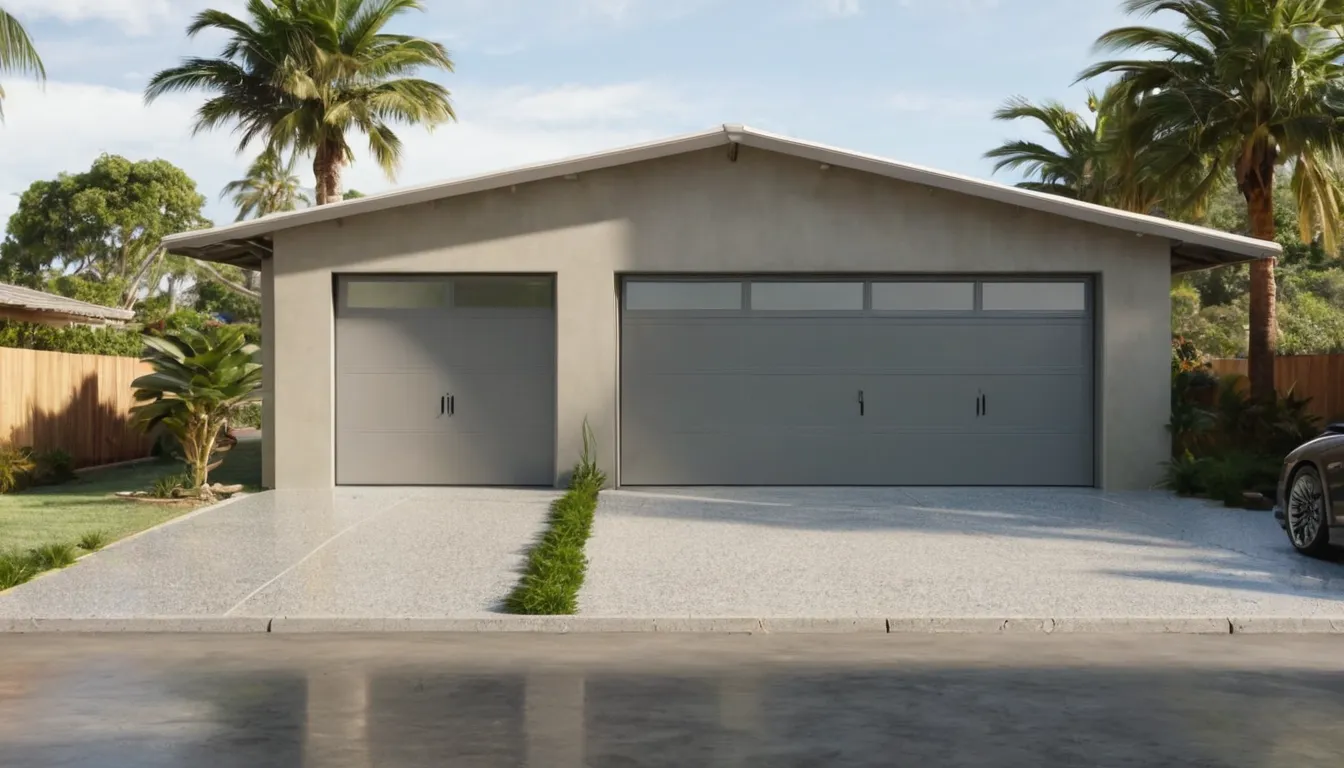
Polyaspartic floor coating is a clear or colored layer that bonds to concrete and hardens quickly. It is often used on garage floors, patios and porches. If you have never heard the word before, you are not alone. It is simply a modern cousin of epoxy that handles sun and heat well.
Inchesdestroy Floor Coating is a referral service. We do not do the floor work. We connect homeowners in Orlando with independent providers in our network who do. This page explains the basics in plain words, with humid summers and storm season in mind, so you know what to ask before you request an estimate.
Maybe the car has been parked in the driveway for weeks. Maybe a move-in date is close. Polyaspartic is popular because it cures fast. Many providers can finish a garage in a day or two, depending on the slab and the system.
Request a callback to check provider availability in the Orlando area. Ask what the schedule looks like before you pick a date.
Polyaspartic is a type of coating made from a special resin. Think of it as a hard, glossy skin that bonds to concrete. It resists oil, tire marks, salt and many household chemicals. It also holds up well in strong sun, which matters when a garage door stays open most of the summer.
Epoxy garage floors are the better-known choice. Epoxy is thick, cures slowly and can turn yellow in direct sunlight over time. Polyaspartic cures faster and tends to stay clear under UV light.
There are trade-offs. Polyaspartic can cost more per square foot. It also sets so fast that the installer has to work quickly and with skill. Epoxy gives more working time. Neither is right for every home, so ask a provider to compare them for your slab.
You will hear two terms. A full polyaspartic system uses polyaspartic for every layer. A hybrid system uses epoxy as a base and polyaspartic as the top coat.
Hybrids often cost less and still give you a sturdy, sun-stable finish. A full system can cure even faster. Ask the provider why they suggest one over the other. A good answer talks about your floor, not just the price.
Most coating problems start with poor prep. The provider usually grinds the surface with a diamond grinder. This opens the pores of the concrete so the coating can grip. Cracks and chips get filled.
Next comes the base coat. Decorative flakes are often tossed on while it is wet. After it hardens, extra flakes are swept off and a clear top coat seals everything in. Because polyaspartic cures fast, these steps happen close together.
Floors built for humidity need extra care here. Concrete block homes on slabs can hold moisture, and the air stays damp much of the year. Daily summer storms can also drift into an open garage.
A careful provider checks the slab for moisture before coating. Many also watch the dew point and the forecast. Polyaspartic can be more forgiving of cool or damp conditions than some epoxies, but it is not magic. If rain is coming, expect the schedule to move. During hurricane season, plan some flexibility.
Garages are the usual spot. The same coating also suits:
If a space gets sun, spills or heavy foot traffic, polyaspartic is worth a look. Some providers also offer other concrete coating and custom floor finishes, so ask what is in their range.
Start small. Ask to see a sample board in your own garage light. Colors look different under bright bulbs than in a showroom.
Flake blends hide dust, small stains and tiny flaws in the slab. A mix of grays, tans and white is a calm, forgiving choice. Solid colors look clean but show dirt more. If you want a bolder look, many providers can discuss custom floor finishes such as metallic effects.
Care is simple. Sweep or dust mop often. Mop with mild soap and water. Wipe up oil and chemicals when you can. Avoid harsh acids and steel-wool pads.
Ask how long to wait before parking a car on it. Ask about leaving the garage door open in humid weather, too. A little airflow helps.
Ask before you commit. A short list helps:
If you are also planning work inside the house, such as hardwood flooring installation, tell the provider. Some can point you to the right trade or sequence the work.
The coating is only as good as the concrete under it. Cracks, old paint and moisture all matter. A provider who looks closely at your slab before quoting is a good sign. Request an estimate, compare a few, and pick the one who explains things clearly.
The provider inspects cracks, old paint and moisture before recommending a coating system.
Concrete is ground to open the surface so the polyaspartic can bond firmly.
Layers are applied in order, with decorative flakes and a clear sealing coat on top.
You review the finished floor and learn cure times and care tips.
Prices vary by slab condition, garage size, system type and local conditions. These are typical U.S. ranges, not quotes. Always get a written, itemized quote from the provider before you agree to any work.
| Item | Typical range | Notes |
|---|---|---|
| Full polyaspartic, per sq ft | $5 – $12 | Faster cure; price rises with extra layers |
| Hybrid epoxy and polyaspartic, per sq ft | $4 – $9 | Epoxy base with a polyaspartic top coat |
| Two-car garage, about 400 sq ft | $2,500 – $5,500 | Depends on system and flake coverage |
| Crack and chip repair | $100 – $600 | More damage means more prep time |
| Moisture testing or sealing | $100 – $800 | Needed on slabs that hold dampness |
| Metallic or custom finishes, per sq ft | $8 – $16 | Skilled application adds to labor |
Tell us about your garage, the slab condition and what you hope to change.
We connect you with an independent provider in our network who serves your area.
Check the system type, prep steps, materials and warranty before you decide.
Pick a date with some weather flexibility, then prepare the garage for work.
We explain terms like hybrid system and grinding before you talk to anyone.
Independent providers in our network know humid summers and storm season.
Compare estimates at your own pace. There is no obligation to hire anyone.
We refer you. The provider does the work and gives the written quote.
Have a garage or concrete floor question? Send a request and a local provider in our network can follow up. No obligation.
It depends on your needs. Polyaspartic cures faster and resists sun yellowing, which helps in a bright garage. Epoxy often costs less and gives the installer more working time. Many homeowners choose a hybrid. Ask a provider to compare both for your slab.
It cures much faster than traditional epoxy, but timing depends on the product, temperature and humidity. Ask the provider when you can walk on it and when you can park a car.
Often yes, but the slab must be dry enough first. A careful provider checks moisture and the forecast, and may reschedule around storms. Ask how they handle damp conditions.
Have a garage or concrete floor question? Send a request and a local provider in our network can follow up. No obligation.
No obligation