Need epoxy garage floors in Orlando?
Have a garage or concrete floor question? Send a request and a local provider in our network can follow up. No obligation.
No obligation
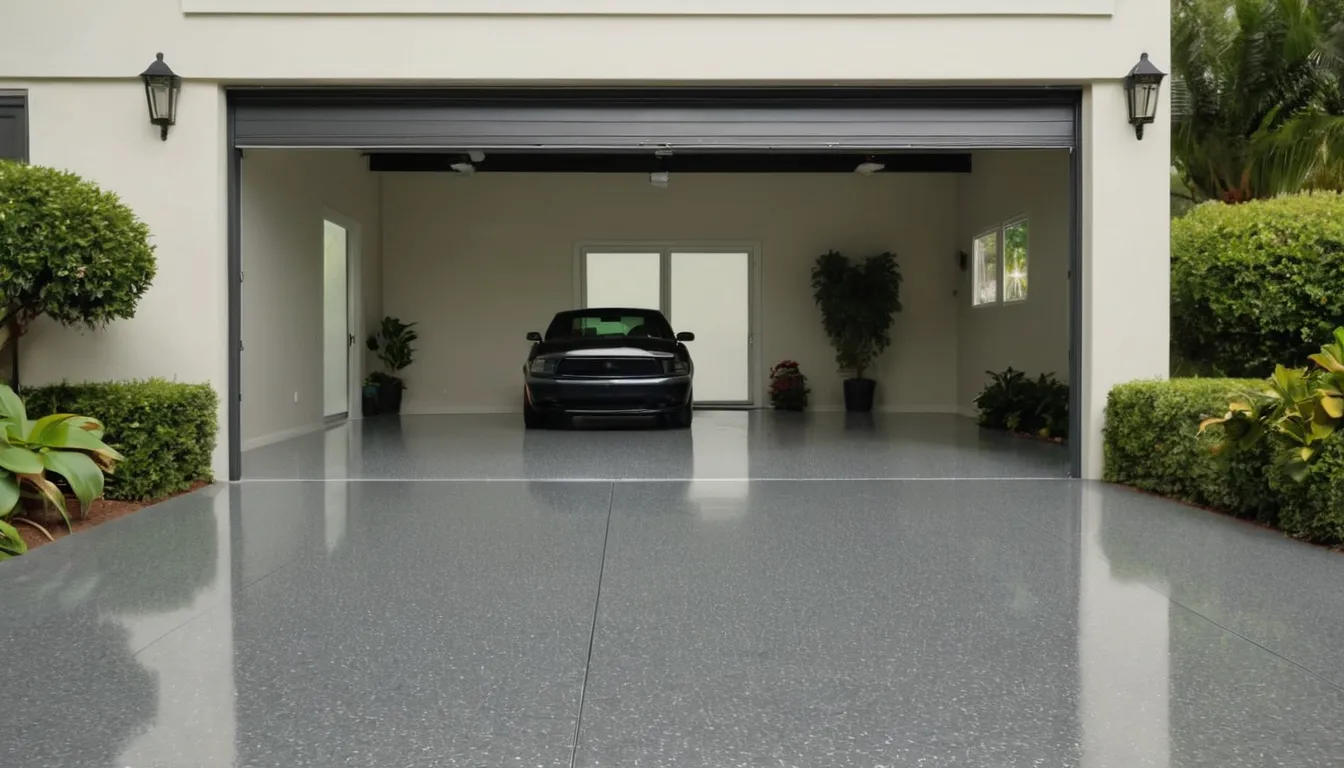
An epoxy garage floor is a hard coating that bonds to your concrete slab. It seals out oil, water and dust. It also gives the garage a clean, finished look that is easy to sweep and mop.
Inchesdestroy Floor Coating is a referral service. We do not install floors. We connect homeowners in Orlando with independent providers in our network who do the work. If you have never coated a floor before, that is fine. This page explains the basics in simple words, with humid summers and storm season in mind, so you can ask good questions and compare quotes with confidence.
First, take a breath. A tired garage floor is rarely an emergency. But it can get worse the longer it sits, so it helps to act early.
Walk the slab and look closely. Note any flaking paint, white powder, oil spots, cracks or damp patches. Take a few photos. These notes will help a provider understand the job fast.
If water is pooling or a crack is widening, deal with that first. A coating cannot fix a slab that keeps getting wet.
Some signs are more pressing than others. Here is a quick order to follow:
The top of the list matters most. Moisture problems can ruin a new coating, so providers often want to look at them first.
Most first-timers ask which epoxy to buy. Experienced providers ask a different question: how is the concrete prepared?
Epoxy needs a clean, rough surface to grip. Most providers use a diamond grinder, a machine that scuffs the top of the slab. Acid washing and store-bought paint kits often leave a weaker bond.
A good coat on poor prep can peel in months. A decent coat on great prep can last for years. So ask about the prep steps before you ask about color.
Our region has humid air most of the year and storms almost every summer afternoon. Concrete block homes sit on slabs, and slabs can let moisture vapor rise from the ground.
That vapor can push a coating off the floor from below. Many providers test the slab before they start. Some use a simple plastic sheet test. Others use a meter.
If the slab is damp, a provider may suggest a moisture-blocking primer. This is part of building floors made for humidity.
Not every epoxy floor looks the same. These are the main types you will hear about:
A smooth, single-color coat. It is simple, clean and a popular choice for a basic garage.
Colored flakes are scattered into the wet coating. They hide small flaws, add grip and give a speckled look.
Pigments swirl through the coat for a marbled, shiny finish. It looks dramatic, and it takes more skill to apply.
Thin, DIY-style products. They are cheaper, but they are usually less durable than professional-grade coatings.
Every provider works a little differently. Still, most jobs follow the same path.
1. The provider inspects the slab and checks for moisture. 2. Cracks and chips are filled and smoothed. 3. The floor is ground to open up the concrete. 4. A primer or base coat goes down. 5. Flakes or color are added if you chose them. 6. A clear topcoat seals everything.
Many garage floors take a few days from start to finish. Humid weather can stretch that, since coatings need the right air and slab conditions to cure.
The clear topcoat is the part that takes the daily wear. It resists scratches, tire marks and chemicals.
If your garage door is open often, sunlight can reach the floor. Some epoxy turns yellow in strong sun. Ask the provider whether the topcoat is rated for UV exposure.
A little prep from you makes the job smoother. Plan on these steps:
Also watch the forecast. Storm season runs from June to November, so ask how the provider handles rain delays.
Epoxy is easy to keep clean. Sweep or dust mop weekly. Mop with mild soap and water when needed.
Wipe up spills like oil, antifreeze and road salt when you can. Use a soft pad, not steel wool. Let a fresh coat cure fully before parking on it. The provider will tell you how long that takes.
Ask before you commit. A short list helps:
A good provider will answer clearly and put the quote in writing.
If you are ready to move forward, Request a callback to check provider availability in Orlando. You can also send a request and compare what comes back, with no obligation.
A provider looks over cracks, stains and damp spots before suggesting any coating.
Grinding and cleaning open the concrete so the epoxy can grip and stay put.
Choose solid color, flake or metallic looks to match your home and your budget.
A clear protective layer helps the floor resist scuffs, spills and everyday traffic.
Prices vary by garage size, slab condition and the system you choose. These are typical U.S. ranges, not quotes. Ask each provider for a written quote that lists prep, materials and topcoat so you can compare fairly.
| Item | Typical range | Notes |
|---|---|---|
| Basic solid color epoxy | $3 – $7 per sq. ft. | Simple look; prep quality affects durability |
| Flake or chip system | $5 – $10 per sq. ft. | Adds grip and hides small flaws |
| Metallic epoxy | $8 – $14 per sq. ft. | Custom look; needs a skilled applicator |
| Two-car garage, full job | $2,000 – $5,500 | Depends on system and slab condition |
| Crack and chip repair | $200 – $800 | Higher if there are many or wide cracks |
| Moisture-blocking primer | $1 – $3 per sq. ft. | Often useful on damp or humid slabs |
Tell us about your garage, the floor's condition and what look you want.
We connect you with an independent provider in our network who serves your area.
Ask about prep, moisture testing, topcoat and warranty before you choose.
Pick a date that fits the weather and your plans, then prepare the garage.
We explain terms the first time they appear, so nothing about your floor feels confusing.
Independent providers in our network know the humid, storm-prone conditions nearby.
Ask questions and compare quotes at your own pace, with no obligation.
We connect you to providers. They do the floor work, not us.
Have a garage or concrete floor question? Send a request and a local provider in our network can follow up. No obligation.
It depends on prep, product and use. A well-prepared floor with a quality topcoat can last many years in a home garage. Poor prep is the most common reason coatings peel early.
Humidity affects how epoxy cures, so providers watch air and slab conditions closely. Many can work around it by timing the job and testing moisture first. Ask how your provider handles humid or rainy days.
Usually the old paint or coating must be ground off first, since epoxy needs bare, rough concrete to bond. A provider can inspect the floor and tell you what prep it needs.
Have a garage or concrete floor question? Send a request and a local provider in our network can follow up. No obligation.
No obligation